# AuroraGPT
Sam Foreman
2024-10-30
- [🎯 AuroraGPT Goals](#dart-auroragpt-goals)
- [🧪 AuroraGPT: Open Science Foundation
Models](#test_tube-auroragpt-open-science-foundation-models)
- [📊 AuroraGPT Outcomes](#bar_chart-auroragpt-outcomes)
- [🌌 Aurora](#milky_way-aurora)
- [🤖 ALCF AI Testbed](#robot-alcf-ai-testbed)
- [👥 Team Leads](#busts_in_silhouette-team-leads)
- [🤝 Teams](#handshake-teams)
- [🦜 Model Training](#parrot-model-training)
- [🚀 Accelerating Dataset Processing at Scale for
Training](#rocket-accelerating-dataset-processing-at-scale-for-training)
- [🚀 Accelerating Dataset Processing:
Results](#rocket-accelerating-dataset-processing-results)
- [📓 References](#notebook-references)
- [❤️ Thank you!](#heart-thank-you)
- [📑 Bibliography](#bookmark_tabs-bibliography)
- [🎁 Extras](#gift-extras)
- [🚂 Loooooooooong Sequence
Lengths](#steam_locomotive-loooooooooong-sequence-lengths)
- [♻️ Life Cycle of the LLM](#recycle-life-cycle-of-the-llm)
- [🍎 Training LLMs](#apple-training-llms)
## 🎯 AuroraGPT Goals
**AuroraGPT**: *General purpose scientific LLM*
Broadly trained on a general corpora plus scientific {papers, texts,
data}
- **Explore pathways** towards a “Scientific Assistant” model
- **Build with international partners** (RIKEN, BSC, others)
- **Multilingual** English, 日本語, French, German, Spanish
- **Multimodal**: images, tables, equations, proofs, time series,
graphs, fields, sequences, etc
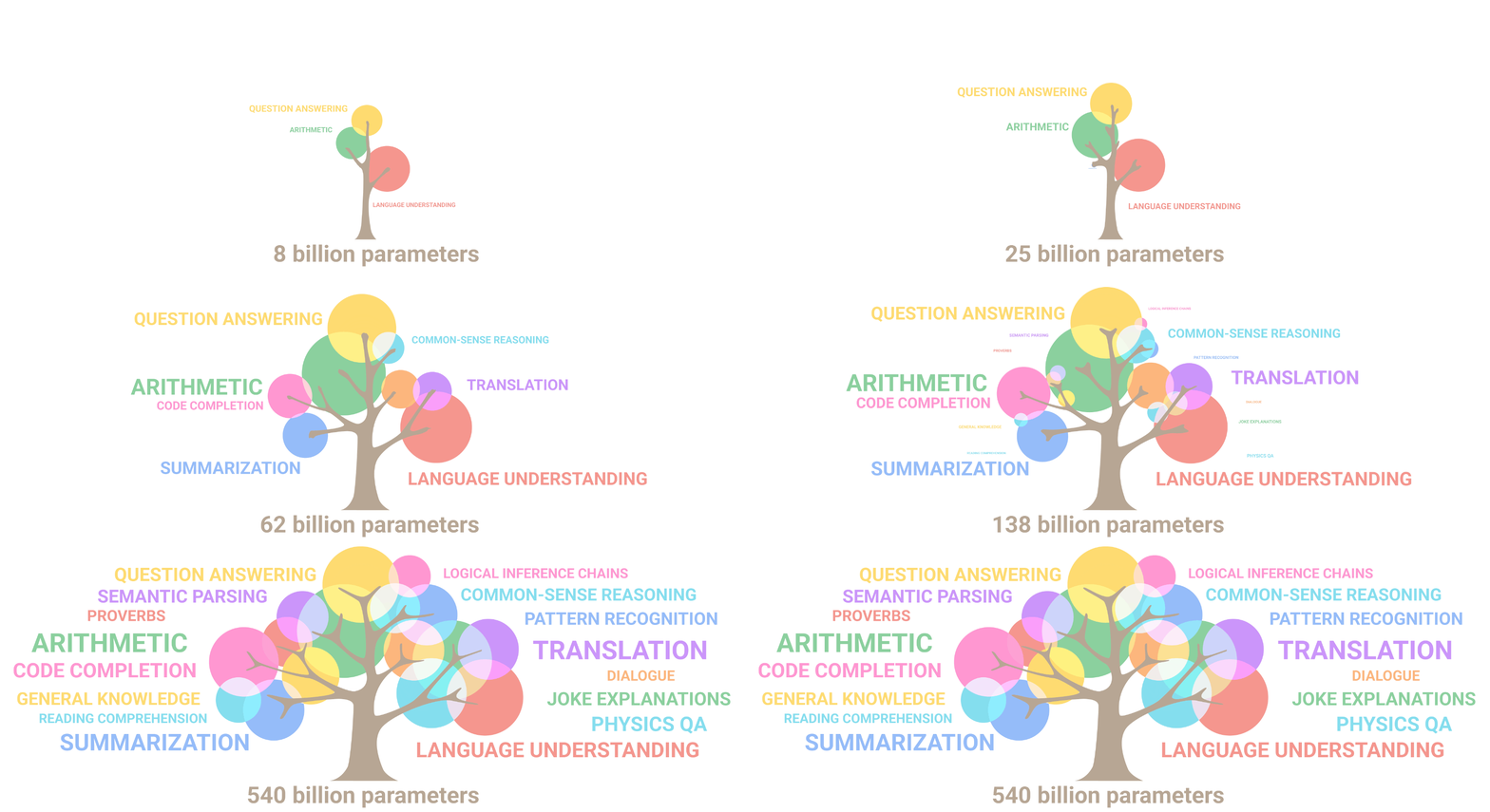
Figure 1: Image from
[`Hannibal046/Awesome-LLM`](https://github.com/Hannibal046/Awesome-LLM)

Figure 2: Credit to the entire AuroraGPT team for slides.
- Here to talk about AuroraGPT, Argonne’s internal effort to build a
general purpose scientific LLM, broadly trained on a general corpora
of text + scientific {papers, text, data}
- As part of this effort, we plan to…
- Explore pathways, build with international partners, multi-{lingual,
modal}
- Rough timeline of the project and deliverables:
- 202{3,4}: text-only models, plan to release a series of {7B, 70B,
1T} models
- 202{4,5}: Basic multi-modal models
- 202{5,6}: Advanced scientific multimodal models
## 🧪 AuroraGPT: Open Science Foundation Models

Figure 3:
[`argonne-lcf/Megatron-DeepSpeed`](https://github.com/argonne-lcf/Megatron-DeepSpeed)
- AuroraGPT will be a publicly distributed, open source foundation model
for open science
- Is being trained on:
- Scientific / engineering structured data
- General text, media, news, etc.
- Large amounts of low to medium quality data
- Much less high quality data (that is publicly available for use)
- This data is then cleaned, processed, de-duplicated and used for the
initial pre-training phase of the model
- The vast majority of the overall compute is spent during this initial
pre-training phase
- This is the group I help to lead and will be talking a bit about
today
- The initial pre-training phase is currently underway
- Eventually, given a bit of time, effort and magic, the model will be
ready for fine-tuning and additional training for a variety of
downstream tasks
- The pretrained model will then be handed off for additional
fine-tuning on a variety of downstream tasks
- Scientific discovery
- Accelerate scientific tasks
- Digital twins
- Inverse design
- Code optimization
- Accelerated simulations
- Autonomous experiments
- Co-design
- Becoming increasingly clear that LLMs have the potential to
drastically accelerate computational science
- We’ve seen this already for {GenSLMs, Weather / Climate / Earth
Systems Modeling, Particle Physics, etc.}
## 📊 AuroraGPT Outcomes
- **Datasets and data pipelines** for preparing science training data
- **Software infrastructure and workflows** to train, evaluate and
deploy LLMs at scale for scientific resarch purposes
- **Evaluation of state-of-the-art LLM Models** to determine where they
fall short in deep scientific tasks and where deep data may have an
impact
- **Assessment of the approach** of augmenting web training data with
two forms of data specific to science
- Full text scientific papers
- Structured scientific datasets (suitably mapped to narrative form)
- **Research grade artifacts** (**models**) for scientific community for
adaptation for downstream uses
- **Promotion of responsible AI** best practices where we can figure
them out
- **International Collaborations** around the long term goal of *AGI for
science*
- Deliverables:
- datasets, pipelines
- software infrastructure, workflows to interface with science
applications
- checkpoints, models, logs, workbook, insights, etc.
- Hope to understand:
- How different state-of-the-art models perform at different
scientific tasks
- where deep data may have an impact
- feasibility of generically augmenting text with scientific
structured data
- Huge undertaking that will require large international collaborations
around long term goal of AGI for science
- Extra points:
- Well known that LLMs are good for non-consequential tasks
- Known to “hallucinate” and create false information
- Can this be mitigated reliably ??
## 🌌 Aurora
Table 1: Aurora Specs
| | |
|------:|:-------|
| Racks | 166 |
| Nodes | 10,624 |
| CPUs | 21,248 |
| GPUs | 63,744 |
| NICs | 84,992 |
| HBM | 8 PB |
| DDR5c | 10 PB |
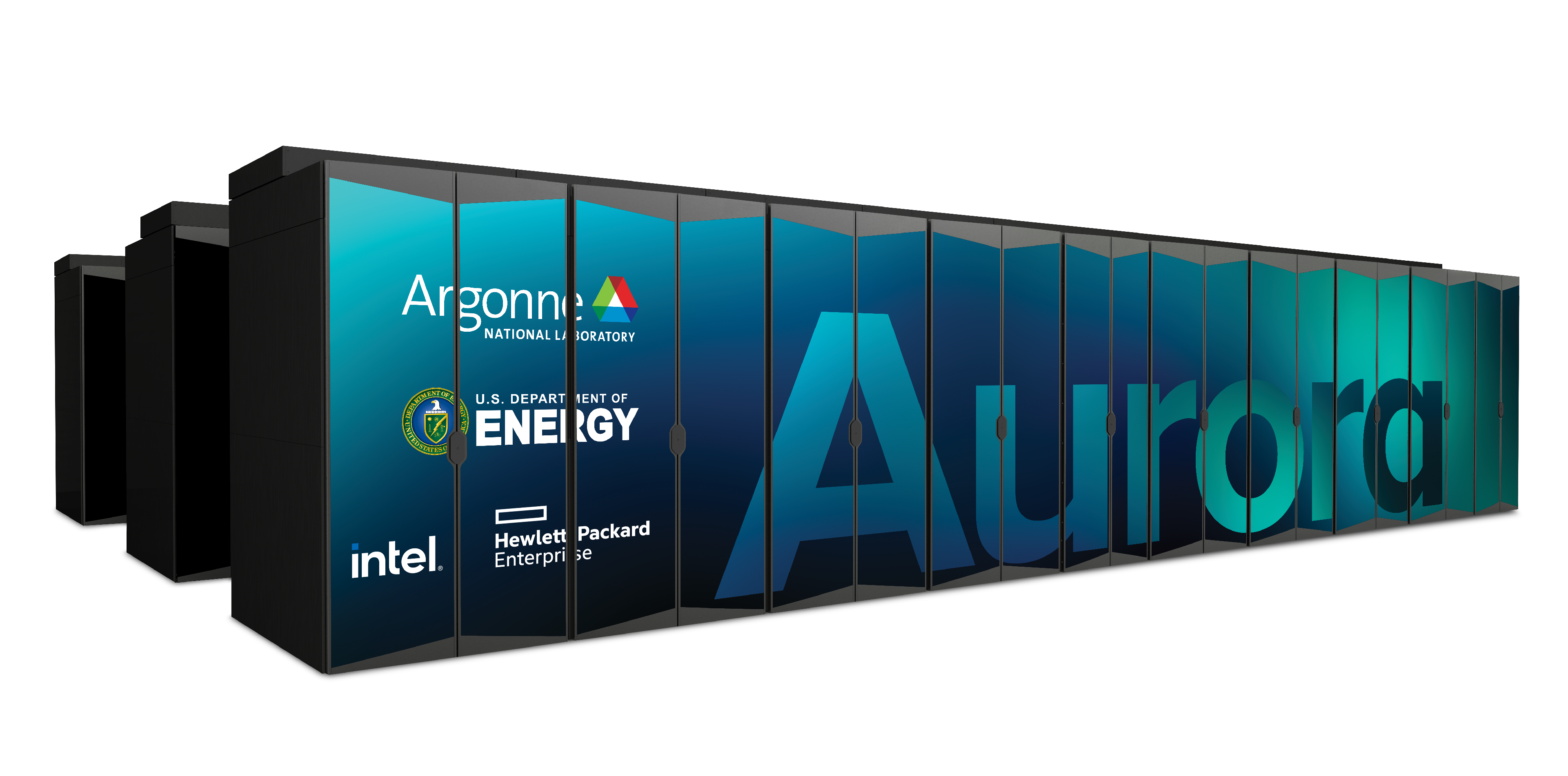
Figure 4: [Aurora Fact
Sheet](https://www.alcf.anl.gov/sites/default/files/2024-07/Aurora_FactSheet_2024.pdf)
## 🤖 ALCF AI Testbed
- ALCF AI Testbed Systems are in production and [available for
allocations](https://accounts.alcf.anl.gov/#/allocationRequests) to
the research community
- Significant improvement in time-to-solution and energy-efficiency for
diverse AI for science applications.
- [NAIRR Pilot](https://nairrpilot.org/)
Up to **25**$\times$ improvement for genomic foundation models with
**6.5**$\times$ energy efficiency
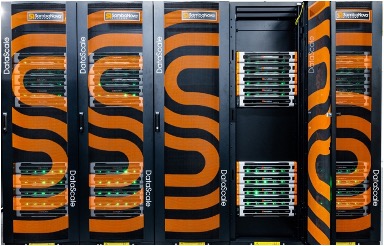
Figure 5: **SambaNova SN-30**: 2nd Gen, 8 nodes with 64 AI Accelerators
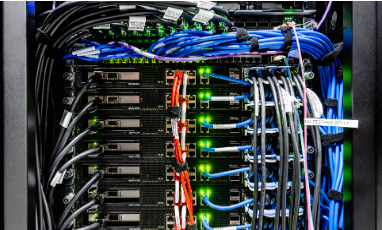
Figure 6: **Graphcore Bow**: generation accelerators: Pod-64
configuration with 64 accelerators
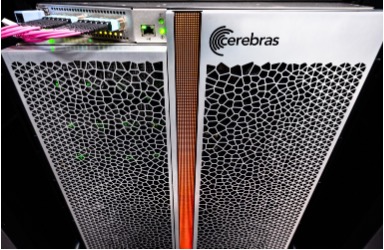
Figure 7: **Cerebras**: 2x CS-2 WSE with Memory-X and Swarm-X
technologies
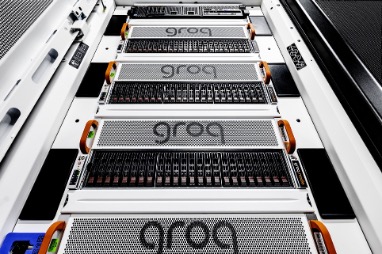
Figure 8: **GroqRack**: 9 nodes, 8 GroqChip v1.5 Tensor streaming
processors accelerators per node
## 👥 Team Leads
## 🤝 Teams
- **Planning**
- **Data Prep**
- Accumulate 20+ T tokens of high-quality scientific text and
structured data
- **Models
/ Training**[^1]
- Train (entirely from scratch) a series of models on publicly
available data
- **Evaluation**
- Skills, trustworthiness, safety, robustness, privacy, machine ethics
- **Post-Training**
- Fine-tuning, alignment
- **Inference**
- Model serving, API development / public-facing web services
- **Distribution**
- Licensing, generating and distributing artifacts for public
consumption
- **Communication**
## 🦜 Model Training
✅ **Goals**
- Want training runs at scale to be:
- efficient
- stable
- reproducible
- This requires:
- robust data pipelines / file IO
- effectively overlapping compute with communication
- stability across {network, filesystem, machine}
- 3D / Multi-dimensional Parallelism strategies
- Large batch training
- Second order optimizers
- Sub-quadratic attention
- State space models
- *Highly optimized GPU kernels*
❌ **Challenges**
- *Looong time* to train, can be:
- weeks (even months) of continuous training
- order of magnitude longer than typical NN training jobs
- Stability issues:
- failures are expensive (but inevitable)
- stragglers common at scale
- Individual jobs are:
- **fragile**
- only as good as the worst rank
- one hang or bad worker can crash job
- network / filesystem / other-user(s) dependent
- Cost / benefits of different collective communication algorithms
- depend on optimized / efficient implementations
- Network performance
- *Highly optimized GPU kernels*
[argonne-lcf /
`Megatron-DeepSpeed`](https://github.com/argonne-lcf/Megatron-DeepSpeed)
## 🚀 Accelerating Dataset Processing at Scale for Training
- To train a fixed model on trillions of tokens requires:
- Aggregating data from multiple different *corpora* (e.g. Reddit,
StackExchange, GitHub, etc.)
- Sampling *each training batch* according to a fixed distribution
across corpora
- Building indices that map batches of tokens into these files
(indexing)
- The original implementation was slow, and designed to run on a single
device
- Major bottleneck when debugging data pipeline at scale
- [x] Completely re-wrote an asynchronous, distributed implementation
that *significantly* improves performance
## 🚀 Accelerating Dataset Processing: Results
- [x] Completely re-wrote an asynchronous, distributed implementation
that *significantly* improves performance (~~60 min~~ $\rightarrow$ 4
min)
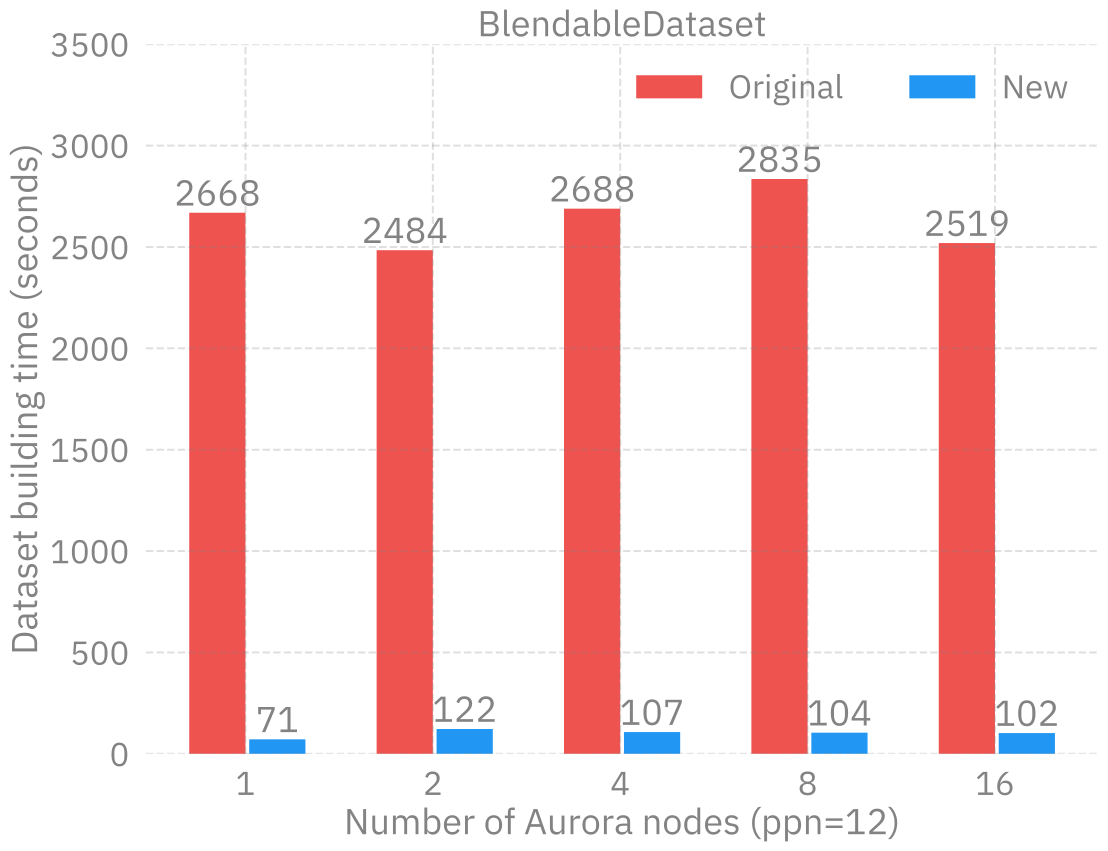
Figure 9: Time spent building `BlendableDataset`
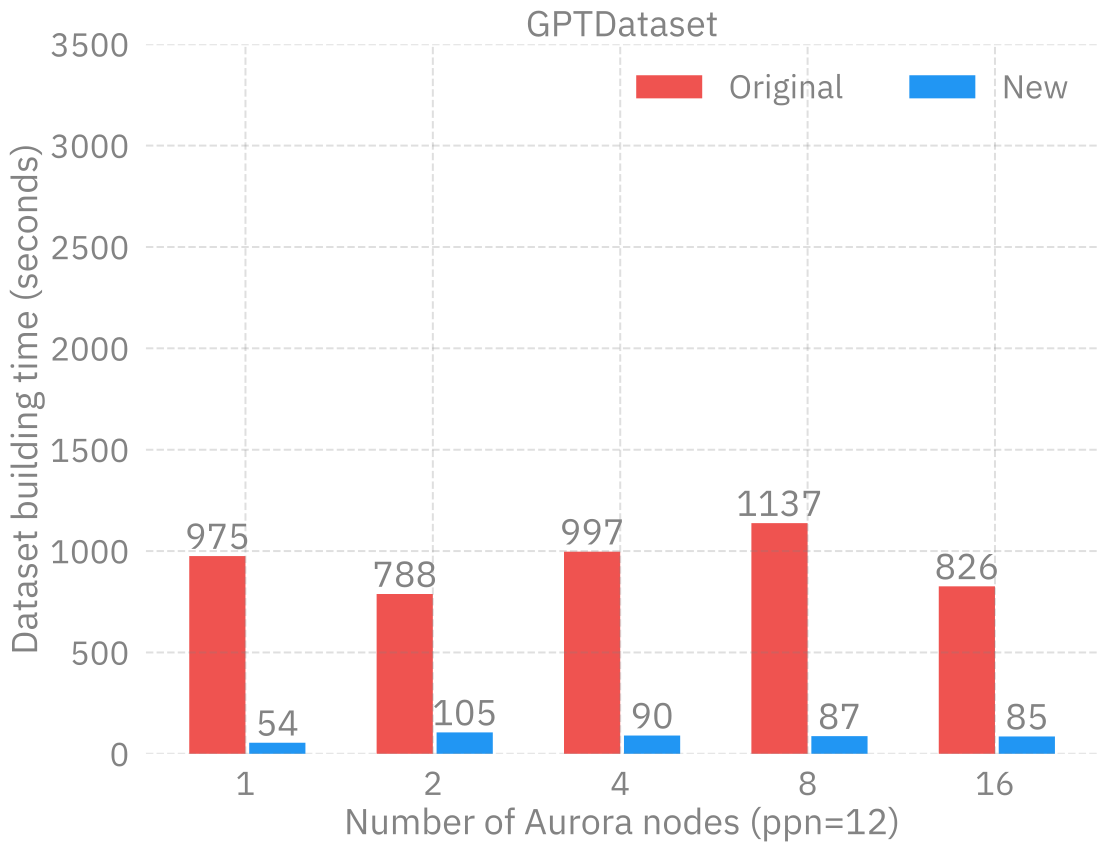
Figure 10: Time spent building `GPTDataset`
## 📓 References
- See my other slides at
[samforeman.me/talks](https://samforeman.me/talks)
- [LLMs from Scratch](https://saforem2.github.io/llm-workshop-talk)
- [Creating Small(~ish) LLMs](https://saforem2.github.io/LLM-tutorial)
- [Parallel Training
Techniques](https://saforem2.github.io/parallel-training-slides)
- [LLMs on
Polaris](https://samforeman.me/talks/llms-on-polaris/#/title-slide)
- [Training LLMs at Scale](https://samforeman.me/talks/llms-at-scale/)
- [argonne-lcf /
`Megatron-DeepSpeed`](https://github.com/argonne-lcf/Megatron-DeepSpeed)
For the largest of large language
models.
- [saforem2 / `ezpz`](https://github.com/saforem2/ezpz)
Distributed training, ezpz. 🍋
- 👀 See also:
- [New international consortium for generative AI models for
science](https://www.anl.gov/article/new-international-consortium-formed-to-create-trustworthy-and-reliable-generative-ai-models-for)
- [PyTorch Distributed
Overview](https://pytorch.org/tutorials/beginner/dist_overview.html)
- [Distributed Data Parallel — PyTorch master
documentation](https://pytorch.org/docs/master/notes/ddp.html)
- [🤗 Efficient Training on Multiple
GPUs](https://huggingface.co/docs/transformers/en/perf_train_gpu_many)
- [Getting Started -
DeepSpeed](https://www.deepspeed.ai/getting-started/)
## ❤️ Thank you!
- Organizers
- Feel free to reach out!
[](https://samforeman.me)
[](mailto:///foremans@anl.gov)
[](https://www.twitter.com/saforem2)
> [!NOTE]
>
> ### 🙏 Acknowledgements
>
> This research used resources of the Argonne Leadership Computing
> Facility, which is a DOE Office of Science User Facility supported
> under Contract DE-AC02-06CH11357.
## 📑 Bibliography
- Refs:
- Wei et al. (2022)
- Animations from [The Illustrated
Transformer](http://jalammar.github.io/illustrated-transformer/)
Song, Shuaiwen Leon, Bonnie Kruft, Minjia Zhang, Conglong Li, Shiyang
Chen, Chengming Zhang, Masahiro Tanaka, et al. 2023. “DeepSpeed4Science
Initiative: Enabling Large-Scale Scientific Discovery Through
Sophisticated AI System Technologies.”
.
Wei, Jason, Yi Tay, Rishi Bommasani, Colin Raffel, Barret Zoph,
Sebastian Borgeaud, Dani Yogatama, et al. 2022. “Emergent Abilities of
Large Language Models.” .
Yang, Jingfeng, Hongye Jin, Ruixiang Tang, Xiaotian Han, Qizhang Feng,
Haoming Jiang, Bing Yin, and Xia Hu. 2023. “Harnessing the Power of LLMs
in Practice: A Survey on ChatGPT and Beyond.”
.
## 🎁 Extras
### 🚂 Loooooooooong Sequence Lengths
- Working with [
Microsoft/DeepSpeed](https://github.com/microsoft/DeepSpeed) team to
enable longer sequence lengths (context windows) for LLMs
- See my [blog
post](https://samforeman.me/posts/auroragpt/long-sequences/) for
additional details
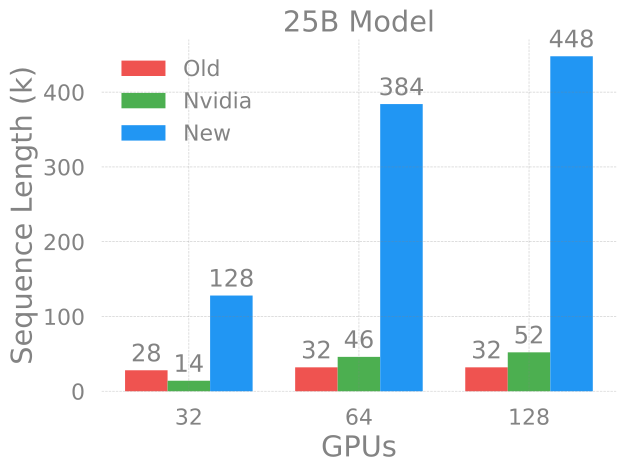
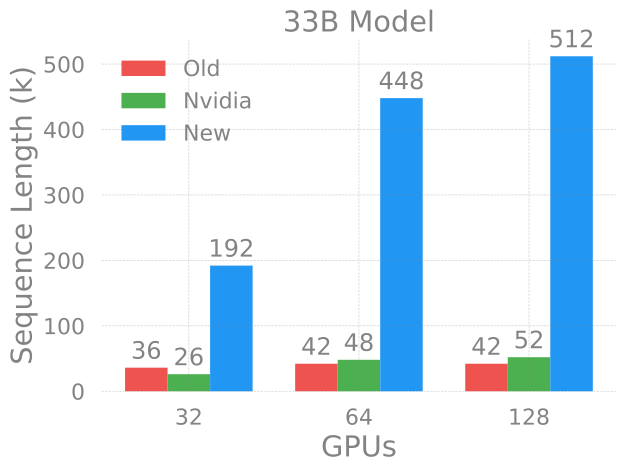
Figure 11: Maximum (achievable) `SEQ_LEN` for both `25B` and `33B`
models (See: Song et al. (2023))
[ `scaling4science`](https://github.com/saforem2/scaling4science)
[
`Megatron-DS-Benchmarking`](https://github.com/saforem2/Megatron-DS-Benchmarking)
### ♻️ Life Cycle of the LLM
### 📝 Pre-training
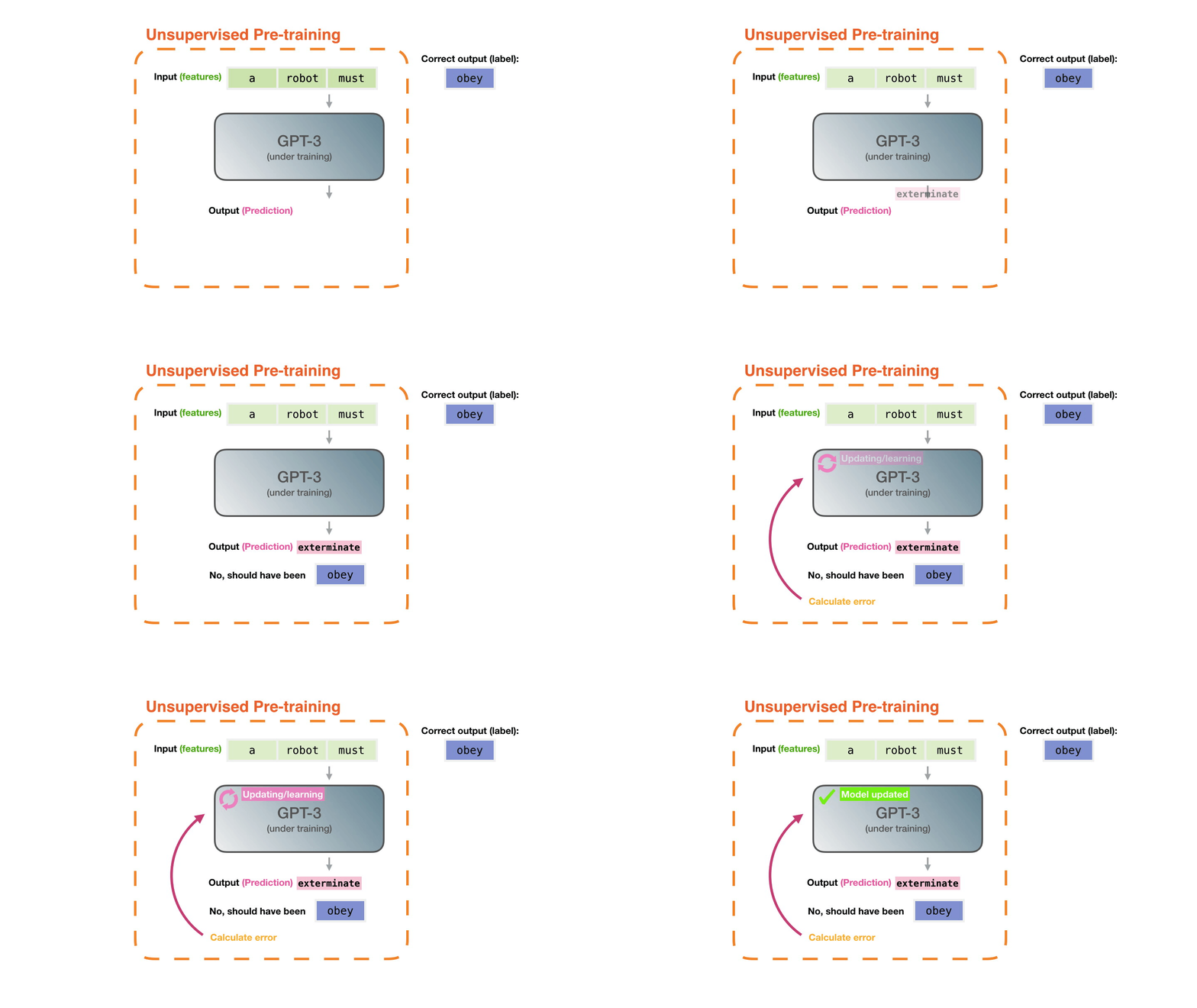
Figure 12: **Pre-training**: Virtually all of the compute used during
pretraining phase
### 🎀 Fine-Tuning
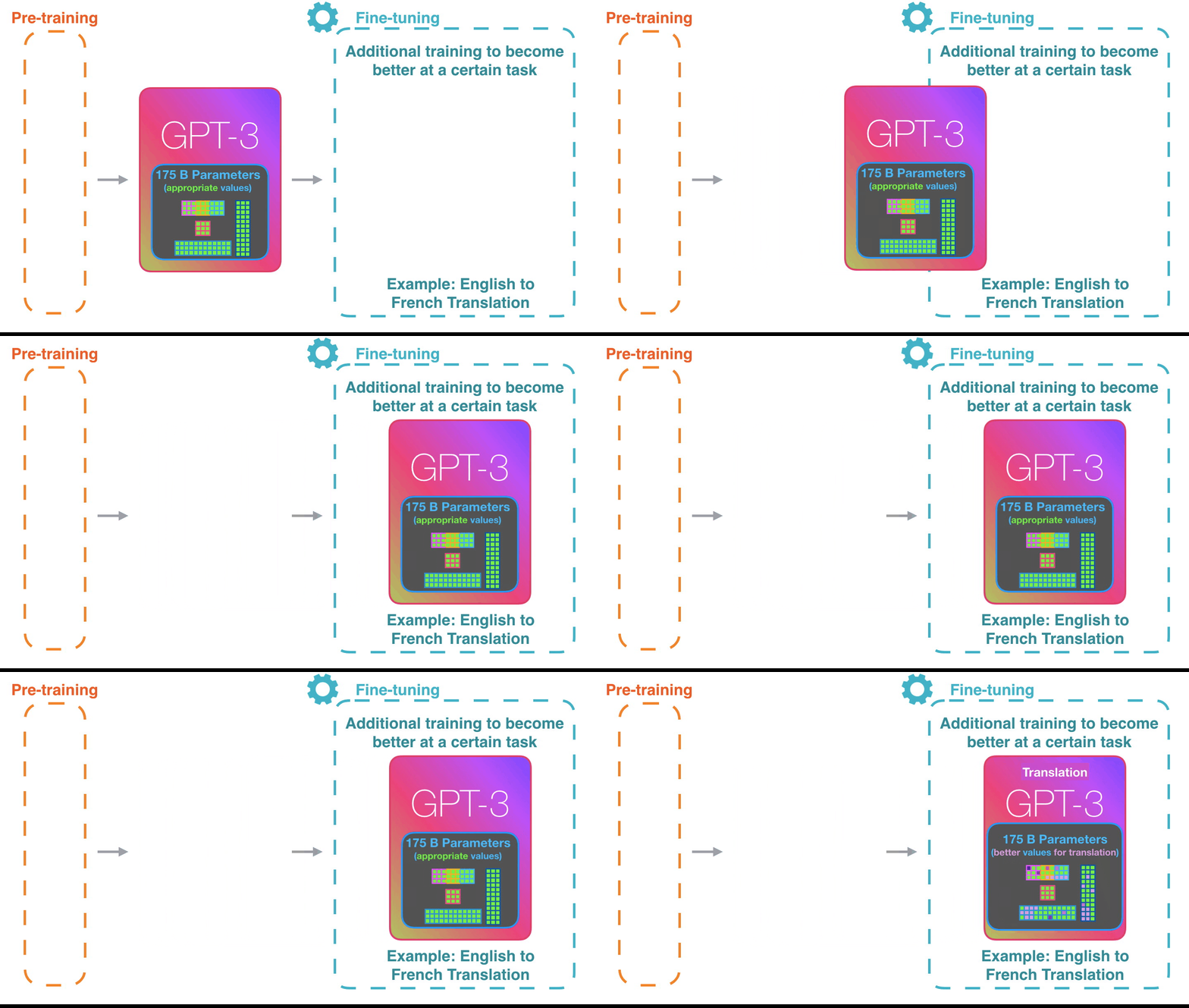
Figure 13: **Fine-tuning**: Fine-tuning actually updates the model’s
weights to make the model better at a certain task.

Figure 14: It’s hungry!

Figure 15: Visualization from Yang et al. (2023)
[^1]: Co-led by: Venkat Vishwanath, Sam Foreman